ClickCease

Trucking terminals and freight yards deal with petroleum contamination at a scale that sets them apart from any other commercial property type. Diesel fuel, engine oil, hydraulic fluid, and coolant hit the ground constantly across every area of the yard. Drop lots, staging areas, maintenance bays, and the surrounding concrete take on years of layered contamination that standard maintenance cannot address. The result is surfaces that are visually deteriorated, potentially non-compliant with stormwater regulations, and in some cases presenting a genuine safety and fire risk from accumulated petroleum.

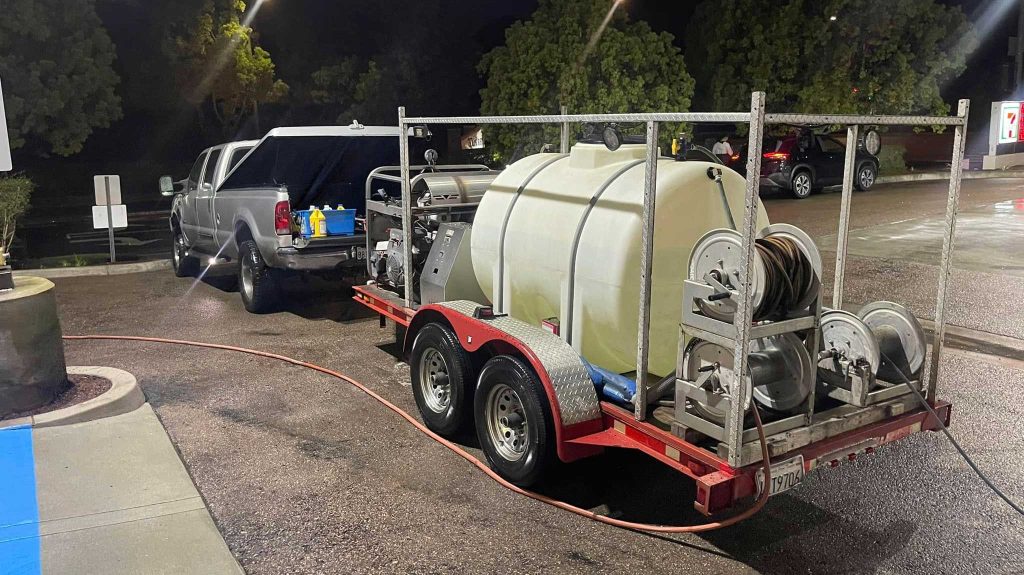
Hydro Pressure Washing provides pressure washing for trucking terminals and freight yards throughout Los Angeles and Orange County. We use commercial-grade hot water equipment and degreasing chemistry scaled to the contamination levels that heavy trucking operations generate, and wastewater containment is standard on every job because petroleum runoff from freight yard surfaces is one of the most regulated categories of commercial wastewater in California.

The Contamination Profile of a Trucking Terminal

No commercial property type accumulates petroleum contamination faster than an active trucking terminal. Every vehicle in the yard has the potential to drip diesel, oil, and hydraulic fluid every time it sits. Maintenance areas deal with the concentrated contamination of fluid changes, repairs, and the equipment work that keeps a fleet operational. Fueling areas accumulate diesel spills and drips at the pump that soak into the surrounding concrete with every fill.

Drop lots and staging areas where trailers sit between loads develop petroleum contamination from landing gear contact, refrigeration unit exhaust and drips, and the general fluid loss of trailer equipment sitting stationary for extended periods. Concrete and asphalt surfaces in active freight yards become progressively more saturated with hydrocarbon contamination over time, reaching a point where the surface itself begins to degrade.

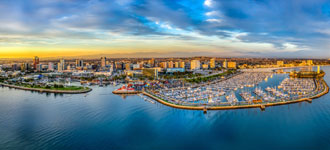
In the Los Angeles basin, where many of the region’s largest trucking operations are concentrated in the port complex, the I-710 corridor, and industrial areas across Long Beach, Carson, Compton, and surrounding communities, these facilities operate under heightened stormwater scrutiny from regional water quality agencies.

Stormwater Compliance for Freight Yards

This is the most consequential issue for most trucking terminal operators from a regulatory standpoint. The State Water Resources Control Board and the LA Regional Water Quality Control Board both regulate stormwater discharge from industrial facilities, and freight yards are among the facility types that receive the most attention. Petroleum-contaminated runoff from a trucking terminal that reaches the storm drain system is a violation with significant potential penalties.

Industrial stormwater permits applicable to freight yards in Los Angeles and Orange County typically require best management practices for petroleum containment, and professional pressure washing with wastewater capture is one of the documented practices that supports compliance. We contain and properly dispose of all wastewater from freight yard cleaning jobs, and we can provide documentation of our process for facilities maintaining compliance records.

Areas We Clean

Campus cleaning requires coordination that most commercial jobs don’t. Classes run on fixed schedules, residential buildings are occupied around the clock, and high-profile events like orientation, graduation, and campus visit days create moments when appearance matters more than usual.

We work with campus facilities teams to schedule exterior cleaning during windows that minimize disruption, whether that’s semester breaks, weekend hours, or overnight shifts for high-traffic areas. For institutions managing multiple buildings and surface types across a large campus footprint, we can develop a phased maintenance schedule that works through the property systematically over the course of a semester or academic year.

Sustainability and Water Compliance

Fueling areas and the surrounding concrete apron deal with the most concentrated petroleum contamination on most terminal properties. We pre-treat with commercial-grade degreasers before hot water pressure washing to pull fuel and oil contamination out of porous concrete that has been absorbing it across years of fueling operations.

Maintenance bay exteriors and surrounding aprons deal with the heaviest contamination on facilities that perform in-house repairs and fluid service. These areas require the same hot water and degreaser approach with full wastewater containment.

Drop lots and staging areas covering large portions of freight yard acreage deal with trailer drips and equipment contamination across significant surface areas. We can work these areas efficiently with equipment scaled to large industrial footprints.

Truck wash areas and the surrounding drainage zones accumulate the contamination that washes off vehicles, which concentrates in the surrounding concrete and drainage infrastructure.

Office and driver facility exteriors on terminal properties deal with the same atmospheric contamination as any commercial building exterior, and their condition reflects on the operation when customers and vendors visit the terminal.

Serving Los Angeles and Orange County

We service trucking terminals and freight yards across Long Beach, Signal Hill, Carson, Compton, Hawthorne, Inglewood, El Segundo, Downey, and throughout Orange County including Anaheim, Fullerton, Garden Grove, Santa Ana, and Buena Park.

Request a Site Assessment

Freight yard and trucking terminal cleaning scopes depend on the size of the facility, the areas and surfaces involved, contamination levels, and service frequency. We walk the site before quoting. Call us at (562) 264-9964 or reach out through our contact form.

Get in Touch with Us

Spotless Pressure Cleaning!

We stand by our word and our work, delighting in the opportunity to serve our community, to care for properties in the area and offer our hand in protecting the planet. In the end, what else is there to stand for?

  • Los Angeles

  • Orange County

  • Inland Empire

  • San Diego

Skip to content